
If you’ve been dealing with knee pain from a meniscus tear, you may have already gone through the standard progression of rest and physical therapy, along with anti-inflammatory medications. If you’ve also tried cortisone injections without real relief, you may be asking, “Can stem cell therapy heal a torn meniscus?” before resorting to surgery and the associated risks.
For the right candidate, stem cell therapy offers a genuinely promising alternative. Freedom Integrated Medicine offers this type of care as part of its comprehensive regenerative approach to joint injuries.
Why Regenerative Medicine in South Jordan Addresses More Than Just Symptoms
Patients dealing with chronic joint pain or reduced mobility after an injury often explore regenerative medicine as a way to support healing rather than simply manage pain. Advanced therapies focus on activating the body’s natural repair processes to help reduce inflammation and restore function over time without relying solely on surgery or long-term medication.
Exploring options for regenerative medicine in South Jordan gives patients access to treatments that address the biological root of joint dysfunction rather than just its surface symptoms. If you’re researching what’s available, looking into the treatment philosophy and services available at Freedom Integrated Medicine provides a useful starting point.
Why the Meniscus Often Struggles To Heal on Its Own
The meniscus is a C-shaped piece of fibrocartilage that cushions and stabilizes the knee joint between the thigh and shin bones. Its limited healing capacity comes down to anatomy.
The outer portion of the meniscus has a blood supply, which means tears there sometimes resolve with conservative care. The inner portion has almost none, so tears in that zone rarely heal on their own.
Because cartilage has minimal vascularization, the body struggles to deliver the repair cells and nutrients needed to rebuild damage.
How Orthopedic Stem Cells Support Meniscus Repair
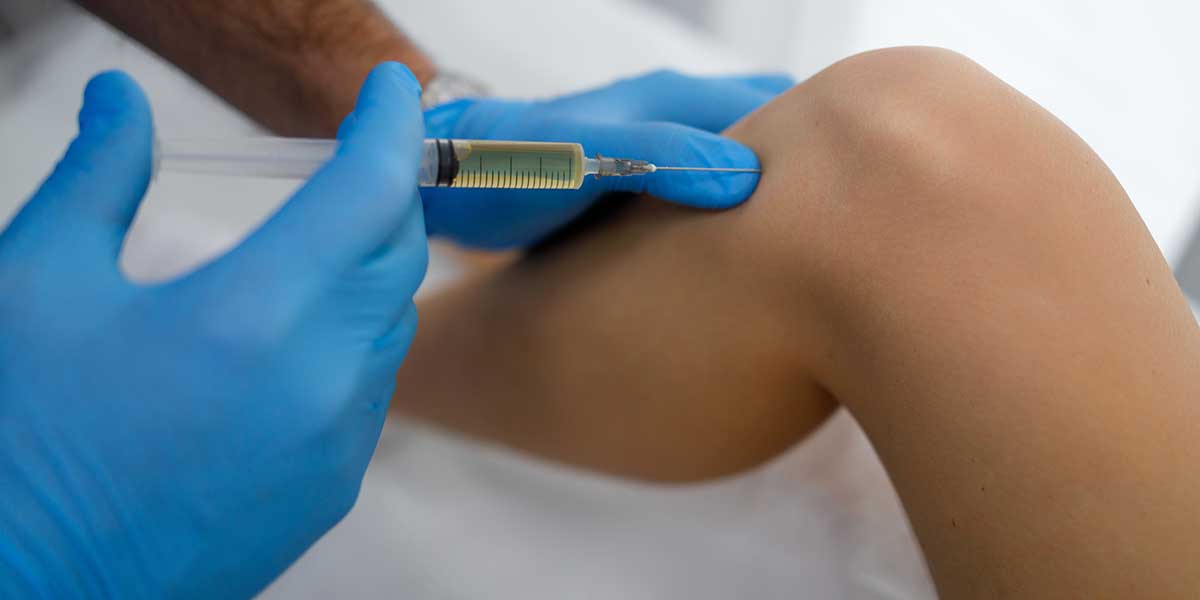
Stem cell therapy for meniscus injuries uses mesenchymal stem cells (MSCs), the same cells the body relies on to repair connective tissue and cartilage. Practitioners usually harvest stem cells from the patient’s bone marrow or adipose tissue. The material is then precisely concentrated and injected directly into the knee under ultrasound guidance.
Once delivered to the injury site, MSCs support meniscus repair through several mechanisms:
- They differentiate into chondrocytes, the cartilage-producing cells responsible for rebuilding the fibrocartilage matrix.
- They release anti-inflammatory signaling molecules that reduce swelling and protect surrounding tissue from further breakdown.
- They recruit the body’s native repair cells to the injury site, creating a biological environment that actively favors cartilage healing over time rather than simply managing pain.
What Results Patients Can Realistically Expect
Research on stem cell therapy for meniscus tears remains promising but is still developing. Clinical studies show that patients who receive MSC injections often report meaningful improvements in pain, mobility, and function within three to six months, with some imaging evidence of increased meniscal tissue volume.
As with most regenerative therapies, outcomes vary based on several variables, including:
- The size and location of the tear
- Age
- Activity level
- Overall joint health
Of course, setting realistic expectations is part of responsible regenerative care.
Stem cell therapy tends to work best as a nonsurgical treatment for partial tears and cases involving early joint degeneration. Patients who have exhausted conservative options but want to avoid surgery represent an especially strong candidate group.
Complete meniscus loss or large mechanical tears with significant instability typically fall outside the scope of regenerative injections, and a practitioner committed to honest patient care will clearly identify those cases for further medical referral.
A thorough assessment, including MRI review and physical examination, helps determine whether stem cell therapy or another approach offers the best path toward joint restoration.
Recovery progresses gradually rather than overnight. Most patients notice reduced pain and improved mobility within the first four to six weeks, with the full benefit of tissue regeneration typically becoming apparent between three and six months after treatment. Avoiding high-impact activity during the early recovery window supports better long-term outcomes.
Explore Your Options at Freedom Integrated Medicine
If you’ve been asking, “Can stem cell therapy heal a torn meniscus?” and wondering whether your specific injury qualifies, the next step is to seek a proper evaluation.
Freedom Integrated Medicine combines regenerative therapies, chiropractic care, and integrative medicine to build individualized treatment plans. Our team understands the healing power of mesenchymal stem cells and applies it to help patients recover function and avoid surgery whenever possible.
Call Freedom Integrated Medicine at (801) 571-1338 today to schedule a consultation.






Comments +